
How to Start a Coffee Shop Business in Dubai, UAE : Setup by Setup Guide
Dubai's dynamic and ever-evolving landscape presents exciting opportunities for entrepreneurs venturing into the coffee shop business. With a diverse population and a thriving tourism industry, the city boasts a rapidly growing demand for high-quality coffee experiences. For expert business setup consultancy, contact Smart Zones® UAE.
- 100% Foreign Ownership
- Easy Business Setup
- Thriving F&B Industry
- Strategic Location
Reviewed by Shobhna Thapa, Legal Advisor · Updated Sept 2026

Quick Answer
To open a coffee shop in Dubai, choose between mainland (with a UAE national local sponsor holding 51% of shares) or a free zone cafeteria setup, secure Dubai Municipality Food Control and Food Safety Department approvals, and apply for your cafeteria/trade license through the DED or your chosen free zone authority. A cafeteria license falls under the Restaurants and Coffee Shops business activity, and setup costs typically range from AED 10,000 to AED 30,000 depending on jurisdiction, location, and size.
- Where: Dubai mainland (DED) or a free zone
- Key requirement or license type: Cafeteria/food trade license (Restaurants and Coffee Shops activity), plus Food Control and Food Safety Department approvals
- Regulator or licensing body: Dubai Department of Economic Development (DED) or free zone authority, alongside Dubai Municipality's Food Control and Food Safety Departments
- Typical setup cost: From around AED 10,000 to AED 30,000, varying by jurisdiction, license type, company structure, and location, plus fit-out and ongoing rent
Anticipated to reach $531.4 million by 2025, the coffee shop market in Dubai reflects substantial growth. Coffee has been deeply ingrained in Middle Eastern culture for an extensive period. According to a recent study conducted by a prominent global Restaurant Industry Consultancy (Aaron Allen & Associates), sales at Cafés and Specialist Coffee Shops are projected to remain robust in the Middle Eastern region. Presently, we observe aspiring entrepreneurs swiftly embracing these trends, venturing into the regional market with the establishment of premium coffee shops, particularly in the UAE.
Why Start a Coffee Shop Business in Dubai, UAE ?
At the heart of every city lies the essence of the food and beverage industry, and Dubai is no exception. From delectable Shawarmas to irresistible Samosas, the streets of Dubai are bustling with people eager to indulge in these offerings and more. This raises the question: How does one embark on the journey of starting a coffee shop in Dubai? Undoubtedly, it presents a lucrative opportunity!
If the prospect of establishing a coffee shop in Dubai appeals to you, rest assured, it promises a rewarding experience. Dubai's culinary landscape is exceptionally diverse and ever-evolving, offering abundant opportunities for entrepreneurs to carve out a distinctive niche. Additionally, there exists a consistent demand for prompt, high-quality snacks, excellent coffee, and leisurely dining options. With a diverse clientele comprising locals, expatriates, and tourists, your coffee shop stands to attract a broad customer base. The process itself is uncomplicated, necessitating nothing more than a well-crafted business strategy.
Best Locations for a Coffee Shop in Dubai
Location has an outsized impact on footfall, rent, and licensing timelines. Areas commonly favored by coffee shop operators in Dubai include:
- Downtown Dubai & Business Bay: high foot traffic from residents, office workers, and tourists, supporting premium pricing.
- Jumeirah Beach Residence (JBR) & Dubai Marina: strong leisure and tourist footfall, particularly for al fresco cafe concepts.
- Al Quoz & Al Barsha: lower rent, popular with independent and specialty coffee concepts targeting a local, design-conscious crowd.
- Shopping malls and mixed-use developments: consistent footfall and simplified Food Control approvals when a mall NOC is already in place, though rent and service charges tend to be higher.
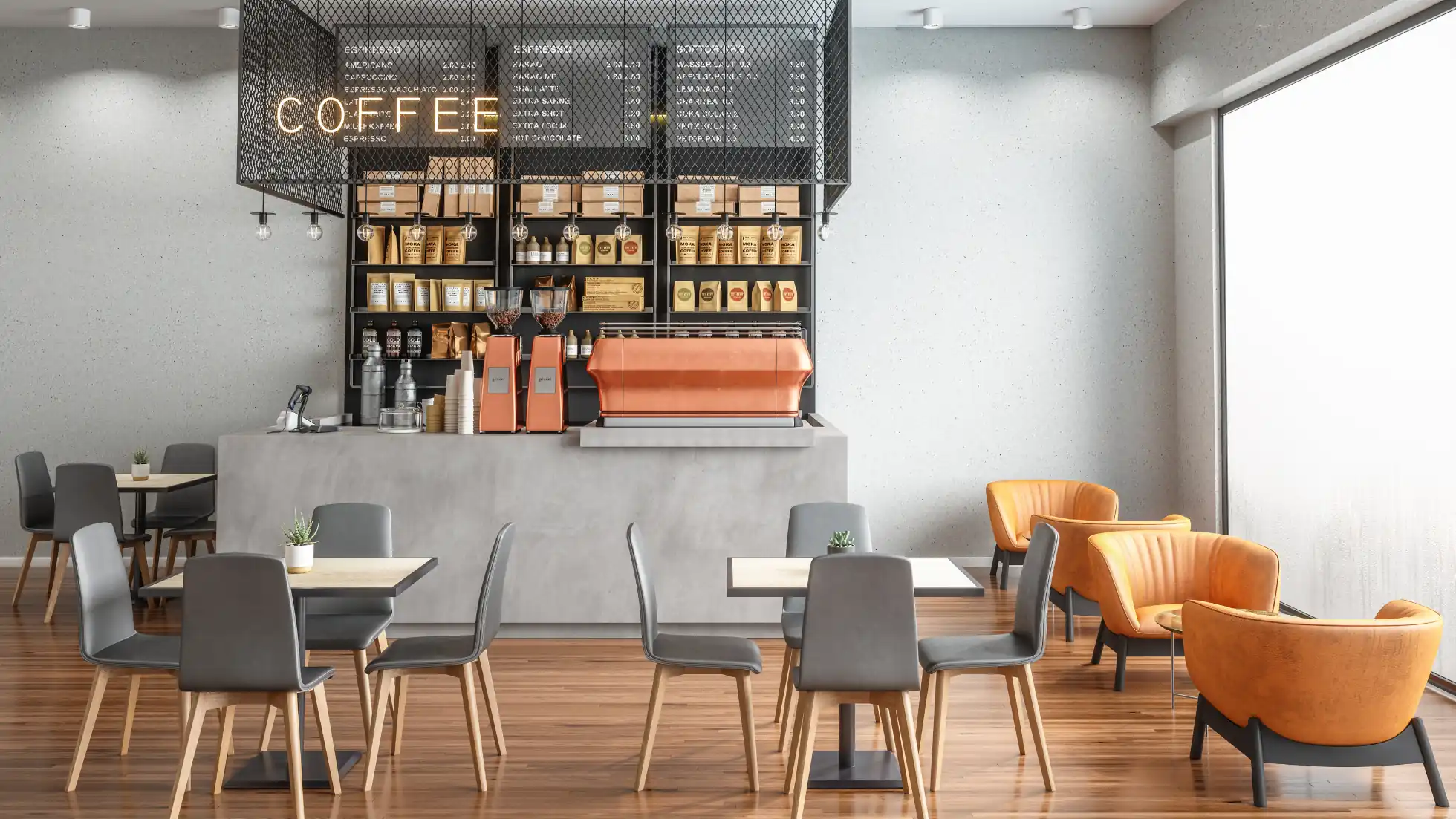
Benefits of Establishing a Coffee Shop in Dubai, UAE
The Advantages Of Establishing A Coffee Shop In Dubai are outlined below:
- Thriving Coffee Culture: Dubai's robust coffee culture fosters a lively social scene, drawing customers who appreciate high-quality coffee and stylish café environments.
- Demand for Specialty Offerings: The substantial demand for specialty coffees and diverse food options allows cafe owners to explore unique menu offerings, appealing to a broad spectrum of tastes.
- Strategic Location for Business and Networking: Dubai's strategic location positions it as an ideal hub for business meetings and casual gatherings, offering opportunities to attract professionals seeking productive environments beyond traditional office spaces.
- Tapping into Tourism: The flourishing tourism industry in Dubai provides an opportunity to captivate millions of visitors by offering memorable dining experiences in your cafe.
- Supportive Business Environment: Dubai provides a business-friendly environment with favorable regulations, tax incentives, and infrastructure, facilitating the establishment and operation of coffee shops in the city.
- Growing Expat Community: Dubai's sizable expatriate population creates a diverse customer base, allowing cafe owners to cater to different cultural preferences and cuisines.
- Innovation and Technology: Dubai embraces innovation and technology, fostering an environment conducive to introducing innovative cafe concepts, digital ordering systems, and loyalty programs to enhance the customer experience.
- Vibrant Social Media Presence: Dubai residents actively engage on social media platforms, offering cafe owners opportunities for digital marketing strategies, influencer collaborations, and user-generated content.
- Lifestyle and Wellness Trends: Dubai's residents exhibit a growing focus on health and wellness, providing cafes with opportunities to incorporate nutritious menu options and cater to dietary preferences such as vegan or gluten-free offerings.
- Events and Collaborations: Dubai is renowned for its events and collaborations, including food festivals, pop-up markets, and partnerships with local businesses. Participating in such events can generate buzz and attract new customers to your cafe.
Food Control Department Approval Checklist
To secure a coffee shop license, it is imperative to obtain approval from the Food Control Department of Dubai Municipality. The following documents must be submitted to attain the required approval:
- Initial approval from DED
- Cafeteria or premises layout
- If the cafeteria is located outside the mall, approval from the planning department
Food Safety Department Approval Checklist
In addition to obtaining approval from the Food Control Department, it is essential to secure approval from the Food Safety Department at Dubai Municipality. Professional assistance from leading business setup consultants in Dubai can streamline this process. Below is a checklist outlining the requirements for obtaining food safety approval from Dubai Municipality:
- Food consignment license
- Pork permit for handling pork products
- Vehicle permit for transporting food products
HACCP and food-safety certification: beyond initial Food Control and Food Safety Department approvals, Dubai Municipality expects cafeteria operators to run their kitchen to Hazard Analysis and Critical Control Points (HACCP) principles, covering safe food handling, storage temperatures, staff hygiene training, and pest control. Larger or franchised coffee shop concepts may also pursue formal HACCP or ISO 22000 certification to satisfy landlord, mall, or corporate-client requirements, though a specific certificate is not always mandatory for a standard cafeteria license — confirm current requirements for your outlet with Smart Zones® UAE.
Business Structure and Planning in Dubai, UAE
Choosing the right business structure is vital when launching a firm in Dubai. Options include:
- 1. Free Zone Company: A free zone company provides foreign ownership, and simplified registration processes, ideal for global operations.
- 2. Mainland Company: Mainland companies adhere to UAE laws and regulations and are suitable for businesses targeting the domestic market.
Consider factors like your business services, target market, and long-term goals when selecting a structure, and consult legal and business experts for guidance.
Mainland vs Free Zone (Cafeteria License)
As noted above, a mainland cafeteria license requires a UAE national local sponsor holding a minimum of 51% of the company's shares. A free zone cafeteria setup offers a different ownership and trading trade-off. Compare the two routes below:
| Factor | Mainland | Free Zone |
|---|---|---|
| Licensing authority | Dubai Department of Economic Development (DED), plus Dubai Municipality Food Control/Food Safety approvals | Relevant free zone authority, plus Dubai Municipality food approvals where the outlet trades outside the free zone |
| Ownership | A UAE national local sponsor is generally required, holding a minimum of 51% of the cafeteria company's shares | 100% foreign ownership permitted within the free zone |
| Market access | Can trade directly anywhere across the UAE mainland, including malls, streets, and mixed-use developments | Typically confined to the free zone premises; trading on the mainland usually needs an additional mainland license or branch |
| Best for | Cafeteria concepts targeting walk-in mainland footfall — malls, high streets, residential and business districts | Entrepreneurs prioritizing full foreign ownership, or outlets based inside a free zone community, business park, or food-focused free zone |
Whichever route you choose, your outlet still needs full Food Control and Food Safety Department approval before it can trade. Smart Zones® UAE can help you confirm which route fits your concept and target location.
Steps to Launch a Coffee Shop in Dubai, UAE
Establishing a Coffee Shop in Dubai involves several steps:
Embark on the journey of opening a Coffee Shop business in Dubai by partnering with Smart Zones® UAE. Our adept company formation specialists will guide you through the business license application and setup process, liaising with relevant government and municipal authorities on your behalf.
Smart Zones® UAE will help you choose and register your company name with the UAE’s Registry Office. You can use your name in the company’s trade name, but you must use it in full instead of just your surname or initials. The business name must adhere to the UAE’s naming policies, including that a business name cannot include any offensive or profane language, nor any references to Allah or Islam.
All cafeteria businesses in Dubai require a cafeteria license to trade legally. A cafeteria license’s business activity falls under Restaurants and Coffee Shops, and thereby requires a professional license type. For this type of company, the UAE government’s legal necessities require that a local sponsor partner with a foreign entrepreneur or investor. The local sponsor must be an Emirates citizen and hold a minimum of 51% of the cafeteria company’s shares. Applying for your cafeteria license in Dubai is a streamlined process, but there are many government approvals to obtain before you can trade legally. If you are unsure of any steps, seek expert advice from Smart Zones® UAE to help you get your cafeteria license.
To do business in Dubai, you need approval certificates from the Dubai Municipality’s Food and Safety Authority and Planning Department and approval from the Dubai Department of Economic Development (DED).
Location is everything for your cafeteria in Dubai. The tenancy contract must be provided with the other documents required for your cafeteria license application. Finding a location is easy – choosing which one is best suited to your cafeteria’s needs requires the help of experts. Smart Zones® UAE can guide you in selecting the perfect venue to grow your cafeteria in Dubai.
After applying for your cafeteria license in Dubai, you can apply for your visa and open your corporate bank account. Your visa may enable you to sponsor the visas of family and staff, depending on your license’s conditions. Contact Smart Zones® UAE’s expert team to help you with this critical step
Fit out your premises to Dubai Municipality's Food Control and Food Safety standards — including kitchen layout, ventilation, and HACCP-aligned hygiene practices — then schedule your final inspection before you're cleared to trade.
Complete the process by opening your corporate bank account for your Dubai Business with Smart Zones® UAE. This final step paves the way for the successful opening of your Business.
Remember that the process may vary depending on your chosen jurisdiction and business activities. Consulting legal and business experts familiar with Dubai's business setup landscape is highly recommended.
Looking for a seamless business setup experience? Trust Smart Zones® Dubai to pave the way.
Documents Required to Start a Coffee Shop Business in Dubai, UAE
The following is a comprehensive list of required documents for the establishment of a coffee shop in Dubai:
- Food license
- Trade license
- Tenancy agreement form
- Free zone/mainland license
- Typed BR/1 form
- Ejari Registration Certificate
- Memorandum of Association (MOA)
- Passport size photo
- UAE ID Number
- Photocopy of the issued trade license
- Confirmation report of P.O. box
- DED letter approving your restaurant name
- Non-Objection Certificate (NOC) issued by the municipality of Dubai
Submitting incorrect documents can lead to immediate rejection. Our consultants at Smart Zones® UAE ensure you have the right documents, avoiding any complications in the process.
Cost of Establishing a Coffee Shop Business in Dubai, UAE
The cost range for a cafeteria license in Dubai is AED 10,000 to AED 30,000. Determining the exact cost of initiating a cafeteria business in Dubai is intricate and depends on factors such as location, license type, company structure, rent, and more. Rather than a single vague figure, budget for the itemized components below:
| Cost Item | Typical Range (AED) |
|---|---|
| Trade name reservation & initial DED/free zone approval | Included within overall license fee, varies by jurisdiction |
| Cafeteria/food trade license fee | Forms the bulk of the AED 10,000 – 30,000 range |
| Food Control & Food Safety Department approvals | Additional government approval fees, varies by outlet size and activity |
| Local sponsor arrangement (mainland only) | Not applicable for free zone setups; varies by agreement for mainland |
| Office/kiosk or premises rent and Ejari registration | Varies significantly by location — largest recurring cost |
| Fit-out, kitchen equipment, and HACCP-compliant setup | Separate from the license fee; scales with outlet size and concept |
| Visa costs per shareholder/employee | Charged per visa, in addition to the license fee |
For an accurate quotation, please contact Smart Zones® UAE to receive an updated estimate tailored to your specific requirements. This ensures that you secure the most competitive rate for the services essential to your business.
Dubai's thriving coffee culture, diverse culinary landscape, and consistent demand for high-quality snacks and coffee offer a lucrative opportunity for entrepreneurs. The city's strategic location, supportive business environment, growing expat community, and emphasis on innovation and technology further contribute to the appeal.
The advantages include Dubai's robust coffee culture, a demand for specialty offerings, strategic location for business and networking, tapping into tourism, a supportive business environment, a growing expat community, opportunities for innovation and technology, a vibrant social media presence, alignment with lifestyle and wellness trends, and participation in events and collaborations.
To obtain a coffee shop license, approval from the Food Control Department of Dubai Municipality is essential. The required documents include initial approval from DED, cafeteria or premises layout, and, if located outside a mall, approval from the planning department.
In addition to Food Control Department approval, the checklist for food safety approval includes a food consignment license, pork permit for handling pork products, and a vehicle permit for transporting food products.
Entrepreneurs can choose between a Free Zone Company, offering foreign ownership and simplified registration for global operations, and a Mainland Company, adhering to UAE laws and regulations, suitable for businesses targeting the domestic market.
The steps include partnering with Smart Zones® UAE, choosing a company name, selecting the company's legal structure, applying for initial approvals, choosing a business location, applying for visas, fitting out and passing final inspection, and opening a corporate bank account. The process may vary based on jurisdiction and business activities.
The comprehensive list of required documents includes a food license, trade license, tenancy agreement form, free zone/mainland license, typed BR/1 form, Ejari Registration Certificate, Memorandum of Association (MOA), passport size photo, UAE ID number, photocopy of the issued trade license, confirmation report of P.O. box, DED letter approving your restaurant name, and a Non-Objection Certificate (NOC) issued by the municipality of Dubai.
The cost range for a cafeteria license in Dubai is AED 10,000 to AED 30,000. The exact cost depends on the itemized components of trade license fees, Food Control and Food Safety Department approvals, premises rent and Ejari registration, fit-out and equipment, and visa costs. For an accurate quotation tailored to specific requirements, contacting Smart Zones® UAE is recommended.
A mainland cafeteria license requires a UAE national local sponsor holding a minimum of 51% of the company's shares, but lets you trade anywhere across the UAE mainland, including malls and high streets. A free zone cafeteria setup allows 100% foreign ownership but is generally oriented toward operating within that free zone. Your choice should depend on your target footfall, ownership priorities, and preferred location.
Dubai Municipality requires cafeteria operators to follow HACCP (Hazard Analysis and Critical Control Points) principles for safe food handling, storage, staff hygiene, and pest control as part of Food Control and Food Safety Department approval. Formal HACCP or ISO 22000 certification is not always mandatory for a standard cafeteria license but may be required by malls, landlords, or corporate clients, so confirm current requirements for your outlet.
Popular areas include Downtown Dubai and Business Bay for high office and tourist footfall, Jumeirah Beach Residence (JBR) and Dubai Marina for leisure and tourist traffic, Al Quoz and Al Barsha for lower rent and a design-conscious local crowd, and shopping malls or mixed-use developments for consistent footfall, though rent is typically higher in prime and mall locations.
Want to know more, talk to Smart Zones® Dubai advisory team they will be happy to help. Ready to invest in your future?