
How to Start A Personal Training Business In Dubai, UAE: Complete Business Setup Guide
Turn Dubai's fitness boom into your success story! Attract high-paying clients in this luxury wellness hub, and build your dream business with the ease and flexibility. Smart Zones® UAE streamlines your personal training startup in Dubai, granting licenses and visas effortlessly.
- 100% Foreign Ownership
- Easy Business Setup
- No complex legalitie
- Potential for growth
Reviewed by Shobhna Thapa, Legal Advisor · Updated Sept 2026

Quick Answer
To become a personal trainer in Dubai, hold a recognized fitness qualification (such as REPs UAE, NASM, or ACE), register as a certified trainer with the UAE Register of Fitness Practitioners (REPs), and choose between a freelance permit (for solo, self-sponsored trainers) or a full company setup in a free zone, mainland, or offshore jurisdiction. Apply for your personal trainer license with the relevant sports authority, then your visa. Costs start from around AED 5,750 for a free zone business license, with freelance permits often cheaper but more limited in scope.
- Where: Dubai free zone, mainland, or offshore — or a free zone freelance permit
- Key requirement or license type: Recognized fitness certification plus a personal trainer/freelance permit or company trade license
- Regulator or licensing body: UAE Register of Fitness Practitioners (REPs) and the relevant sports authority, alongside your free zone, DED, or offshore licensing authority
- Typical setup cost: From around AED 5,750 for a free zone license, varying by jurisdiction, permit type, and visa allocation
If you possess a talent for both engaging in physical activity and guiding individuals in the promotion of their physical and mental well-being, entering the realm of personal fitness training in Dubai could be a suitable entrepreneurial path for you. Given the aftermath of the pandemic, emphasis on health and fitness in Dubai has become increasingly significant.
Why Start A Personal Training Business In Dubai, UAE ?
Amid the time dedicated to self-care during the pandemic, consumer markets have grown accustomed to utilizing online resources for guided workouts in the comfort of their homes. This trend presents significant potential for establishing personal training businesses in the UAE.
As per a recent study conducted by Ken Research, the fitness industry in the UAE is anticipated to reach a value exceeding US $600 million by 2025. This suggests a rising enthusiasm for physical activity and wellness among the population of Dubai. With its advanced infrastructure, Dubai's business environment is well-equipped to support an ambitious entrepreneur in becoming a personal trainer.
Dubai serves as a dynamic hub for fostering business activities, offering advantages across various industries and customer segments. If you are contemplating a career as a personal trainer in Dubai, now is the opportune time to pursue it.
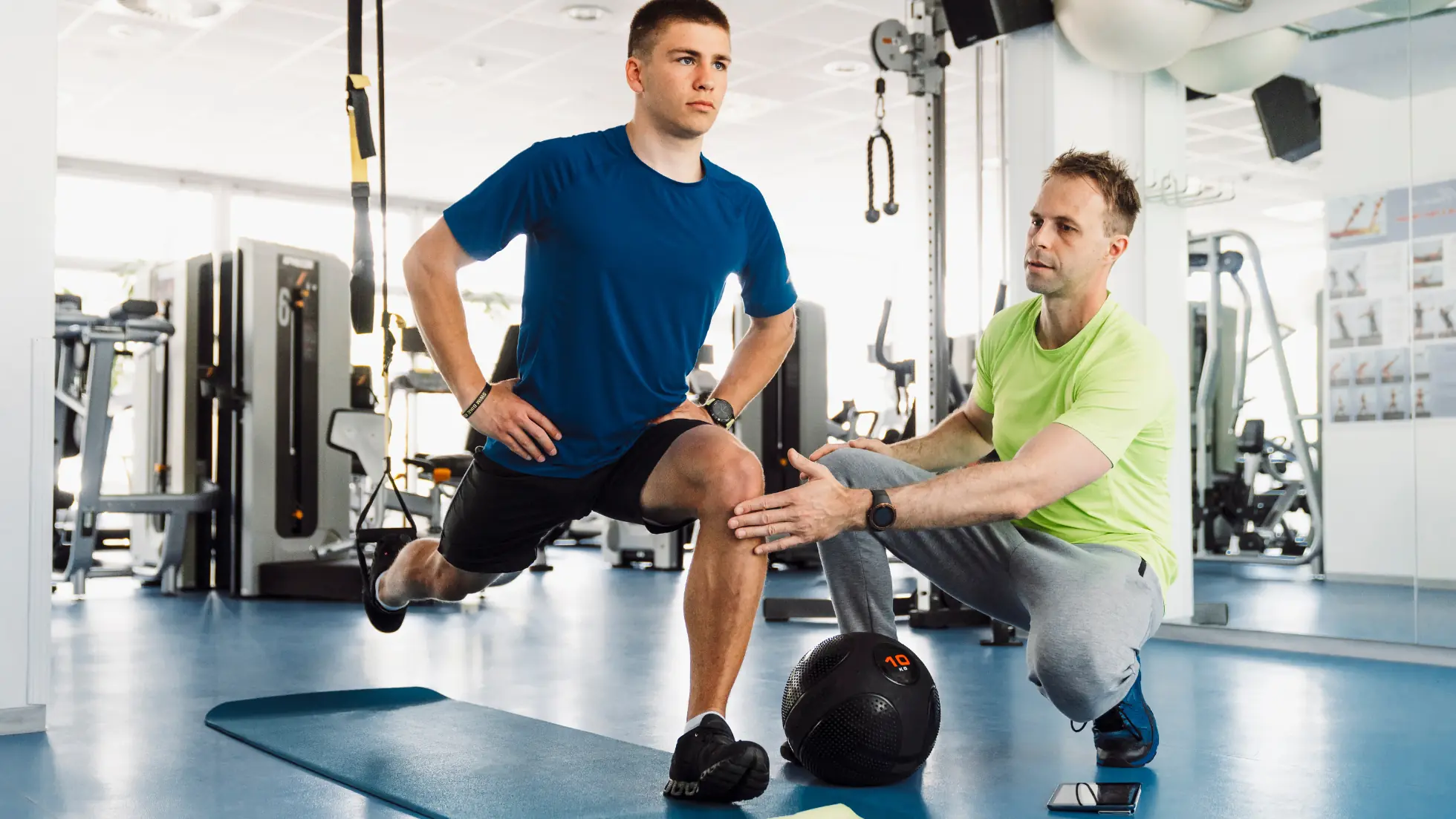
Benefits of Establishing a Personal Training Business in Dubai, UAE
Embarking on a career as a personal trainer in the UAE provides an array of advantages. Here are some key benefits:
- Accelerating Demand: The fitness sector in the UAE is undergoing rapid expansion, with projections indicating it will reach a market value of USD 600 million by 2025. Online health and fitness also boast a significant annual growth rate of 16%.
- Focus on a health-conscious lifestyle: The UAE serves as a focal point for sports enthusiasts and individuals committed to maintaining a healthy lifestyle. With over 1,000 fitness outlets and exercise centers across the region, there is substantial demand for personal trainers.
- Robust industry: Despite challenges faced by various sectors, the health and fitness industry in the UAE has demonstrated resilience. The number of people engaging in regular workouts has increased, indicating a burgeoning market for personal trainers.
- Maximizing profits: The UAE offers an enticing tax regime, including 0% personal income tax. As a foreign business owner, you can benefit from 100% repatriation of profits and no requirement for paid-up capital.
- Enhanced quality of life: By working as a personal trainer in the UAE, you can relish the myriad lifestyle benefits the country provides. These encompass access to stunning beaches, world-class sports facilities, and a diverse culinary scene.
Qualifications You Need To Become A Personal Trainer In Dubai, UAE
Becoming a personal trainer requires possessing technical expertise and precise knowledge of fitness and exercise. This necessitates obtaining a Level 3 Certificate or Diploma in personal fitness training, ensuring the trainer's credibility to establish their business. Once qualified, you have the option to work as a self-employed personal trainer or at a gym, enabling you to train clients one-on-one. Educational qualifications extend beyond diplomas, degrees, or professional certificates; a combination of these qualifications and soft skills can establish eligibility for a work visa in the UAE.
To achieve professional trainer status, individual hard work and dedication are crucial. Being exceptional in your role requires taking care of yourself and maintaining up-to-date exercise and fitness levels to satisfy your customers.
Additionally, to continue personal training, it is essential to register with the UAE Register of Fitness Practitioners (REPs) as a certified trainer. This requirement not only allows you to start your business but also earns you recognition within the industry.
Recognized certification bodies: beyond REPs UAE registration itself, the underlying qualification is typically expected to come from a recognized international or local body such as REPs UAE, NASM (National Academy of Sports Medicine), ACE (American Council on Exercise), or an equivalent Level 3+ certification recognized by the Dubai Sports Council. Holding certification from one of these bodies makes REPs registration and licensing considerably smoother.
Insurance Requirements for Personal Trainers
Personal trainers in Dubai should budget for professional indemnity and public liability insurance, covering claims arising from client injury or negligence during training sessions. Many gyms, studios, and corporate clients will require proof of valid insurance before allowing a freelance or independent trainer to work on their premises, and it is considered standard risk management practice even where not strictly mandated by your specific license category. Smart Zones® UAE can point you toward suitable providers as part of your setup.
Business Structure and Planning in Dubai, UAE
Choosing the right business structure is vital when launching a firm in Dubai. Options include:
- 1. Free Zone Company: A free zone company provides foreign ownership, and simplified registration processes, ideal for global operations.
- 2. Mainland Company: Mainland companies adhere to UAE laws and regulations and are suitable for businesses targeting the domestic market.
- 3. Offshore Company: Offshore companies are Practical for commercial companies registered abroad wishing to operate outside their primary countries.
Consider factors like your business services, target market, and long-term goals when selecting a structure, and consult legal and business experts for guidance.
Freelance Permit vs. Company Setup for Personal Trainers
Many entrepreneurial trainers start with a free zone freelance visa/permit rather than a full company setup. The two routes suit different stages and ambitions:
| Factor | Freelance Permit | Company Setup |
|---|---|---|
| Typical cost | Generally the lower-cost entry point among free zone offerings | Business license from around AED 5,750, plus MOA, activity certificate, and visa quota fees |
| Visa sponsorship | Self-sponsored; the freelance visa lets you sponsor your own dependents, but not employees | Can sponsor employee visas (subject to your allocated visa quota), useful if you plan to hire other trainers |
| Client-facing flexibility | Well suited to solo, one-on-one training and working across multiple gyms/studios as an independent contractor | Better suited to building a branded studio, hiring trainers, or signing corporate wellness contracts |
| Best for | Trainers testing the market or working solo without near-term hiring plans | Trainers planning to scale into a studio, team, or multi-trainer business |
Either route still requires REPs UAE registration and a valid personal trainer license before you can legally train clients. Smart Zones® UAE can help you weigh which structure fits your growth plans.
Steps to Launch a Personal Training Business in Dubai, UAE
Establishing a Personal Training Company in Dubai involves several steps:
Embark on the journey of opening a Personal Training Business in Dubai by partnering with Smart Zones® UAE. Our adept company formation specialists will guide you through the business license application and setup process, liaising with relevant government and municipal authorities on your behalf.
Decide on the business activity you are planning to undertake, and make sure everything is clear and compliant while applying for a personal trainer license in Dubai.
The next step is to choose the right business structure that will allow you to apply for a business license in a specific free zone to avail maximum benefits and support. For example, some specific free zones offer freelancer licenses that allow you to set up your own company and get full benefits of a normal business setup and visa eligibility.
The UAE authorities are quite strict about company names, and so, it is important to be aware of the naming regulations. Firstly, you must ensure your chosen company name is still available for you to register. Therefore, you must avoid choosing any name that already belongs to a well-known organisation. You should also avoid business names that include any offensive or blasphemous language or any references to Allah or Islam. When naming your company after yourself, do not abbreviate your name. Once you have decided, register your company name with the UAE’s Registry Office.
Once your company name is approved by the Registry Office, you need to apply for notarization of your company’s documents, such as Memorandum of Association (MOA) and Articles of Association (AOA) with the Department of Economic Development (DED) in Dubai.
Complete the business license application form and submit it along with the following documents:
- Initial Business Plan
- Proof of Identity and address of directors and shareholders
- Passport copies of shareholders and directors
- Copy of trade name confirmation
- Memorandum of Association (MOA)
- Articles of Association (AOA)
Upon submitting your business license application, you should also apply for your personal trainer license with the UAE’s General Authority of Youth and Sports Welfare in Dubai. To do so, you will need to submit the completed application form, copy of passport and two passport-size colour photos of the applicant.
Complete your registration as a certified trainer with the UAE Register of Fitness Practitioners (REPs), and arrange professional indemnity and public liability insurance before you begin training clients.
Once you receive approval, the next step is to apply for a freelance visa for a personal trainer. You need to provide a few details and some basic documentation, namely:
- Completed visa application form
- Copy of Passport of the proposed business owner
- Two passport-size colour photos
The steps involved are the same from the application through passport stamping. The application process is also fast, and usually the visa gets issued within a week. With your freelance personal trainer visa, you can also sponsor visas for your dependents, including spouse, children, or domestic staff.
Research the going rate among comparable trainers in your target area and specialism, and set an initial per-session and package pricing structure that covers your license, insurance, venue, and visa costs while remaining competitive for Dubai's market.
Complete the process by opening your corporate bank account for your Dubai Business with Smart Zones® UAE. This final step paves the way for the successful opening of your Business.
Remember that the process may vary depending on your chosen jurisdiction and business activities. Consulting legal and business experts familiar with Dubai's business setup landscape is highly recommended.
Looking for a seamless business setup experience? Trust Smart Zones® Dubai to pave the way.
Documents Required to Start a Personal Training Business in Dubai, UAE
A few basic documents need to be submitted to obtain your personal trainer visa in Dubai. After you have your personal trainer business name and activity approved, it’s important to obtain notarization with the DED. Here’s a list of the documents you need:
- Proof of ID and address for any directors/shareholders/owners
- Memorandum of Association
- Articles of Association
- Trade name confirmation copy
- Two colour passport size photographs
- Completed application form
- Passport copies of owner
Submitting incorrect documents can lead to immediate rejection. Our consultants at Smart Zones® UAE ensure you have the right documents, avoiding any complications in the process.
Cost of Establishing a Personal Training Company in Dubai
The expense of obtaining a Business license for a personal trainer in the UAE starts at just AED 5,750 in SPC Free Zone. This price encompasses your business license, Memorandum of Association (MOA), business activity certificate, and a visa allocation of up to 100 quotas, alongside other benefits. Rather than a single starting figure, budget for the itemized components below:
| Cost Item | Typical Range / Notes |
|---|---|
| Free zone business license (from) | From AED 5,750 in SPC Free Zone, including MOA and business activity certificate |
| Personal trainer permit/license | Separate application with the relevant sports authority, in addition to the business license |
| REPs UAE registration/membership | Recurring registration fee with the UAE Register of Fitness Practitioners |
| Visa allocation (per visa) | Charged per visa, up to your license's visa quota (up to 100 quotas on some free zone packages) |
| Professional indemnity & public liability insurance | Ongoing annual premium; often required by gyms/studios before you can train on-site |
| Studio/gym space rental | Private studio rent, or a per-session/monthly fee to use a partner gym's floor space |
On the revenue side, session rates in Dubai vary widely by trainer experience, specialism, and client type (in-home vs. gym-based vs. corporate), so research comparable trainers in your target area before setting your own pricing. Registration with and payment for membership to REPs, as well as other national and industry bodies, is a recurring cost worth planning for. For a more accurate estimate, you can contact Smart Zones® UAE Business Setup Consultants in Dubai.
Amid the post-pandemic emphasis on health and fitness, Dubai's fitness industry is rapidly growing, with projections indicating a market value exceeding USD 600 million by 2025. The UAE's advanced infrastructure and business-friendly environment make it an opportune time for aspiring personal trainers.
Accelerating Demand: The fitness sector in the UAE is rapidly expanding. Focus on Health-conscious Lifestyle: With over 1,000 fitness outlets, there is substantial demand for personal trainers. Robust Industry: The health and fitness industry in the UAE has shown resilience. Maximizing Profits: The UAE offers an enticing tax regime, including 0% personal income tax.
A Level 3 Certificate or Diploma in personal fitness training is essential for credibility, typically from a recognized body such as REPs UAE, NASM, or ACE. Educational qualifications and soft skills can contribute to eligibility for a work visa. Registration with the UAE Register of Fitness Practitioners (REPs) is required for recognition within the industry.
Free Zone Company: Ideal for global operations with foreign ownership. Mainland Company: Adheres to UAE laws, suitable for businesses targeting the domestic market. Offshore Company: Practical for commercial companies registered abroad operating outside their primary countries. A free zone freelance permit is also available for solo trainers as a lower-cost alternative to a full company setup.
Partner with Smart Zones® UAE. Choose your business activity and structure. Register your company name and notarize company documents. Submit business license application and personal trainer license application. Register with REPs UAE and arrange insurance. Apply for a freelance visa for a personal trainer. Set your session rates. Open your corporate bank account with Smart Zones® UAE.
Proof of ID and address for directors/shareholders/owners. Memorandum of Association and Articles of Association. Trade name confirmation copy. Passport copies of the owner. Two colour passport-size photographs. Completed application form
The cost starts at AED 5,750 in SPC Free Zone, including the business license, MOA, business activity certificate, and a visa allocation of up to 100 quotas. Additional itemized costs include the separate personal trainer permit, REPs UAE registration, per-visa fees, professional indemnity and public liability insurance, and studio or gym space rental. For a precise estimate, consult with Smart Zones® UAE Business Setup Consultants in Dubai.
A freelance permit is generally the lower-cost entry point, lets you sponsor your own dependents, and suits solo trainers working across multiple gyms or studios. A full company setup costs more but lets you sponsor employee visas and is better suited to building a branded studio, hiring other trainers, or signing corporate wellness contracts. Your choice should depend on your growth plans.
Personal trainers should carry professional indemnity and public liability insurance to cover claims arising from client injury or negligence during sessions. Many gyms, studios, and corporate clients require proof of valid insurance before allowing a freelance or independent trainer to work on their premises, and it is considered standard risk management practice for the profession.
Session rates in Dubai vary considerably based on trainer experience, specialism, certification level, and client type, such as in-home, gym-based, or corporate wellness sessions. Rather than a single fixed figure, research comparable trainers in your target area and specialism, and price your sessions and packages to comfortably cover your license, insurance, venue, and visa costs while remaining competitive.
Want to know more, talk to Smart Zones® Dubai advisory team they will be happy to help. Ready to invest in your future?